

What Is Payment Infrastructure? And Why Fragmented Systems Are Costing Banks and Fintechs
12 min read
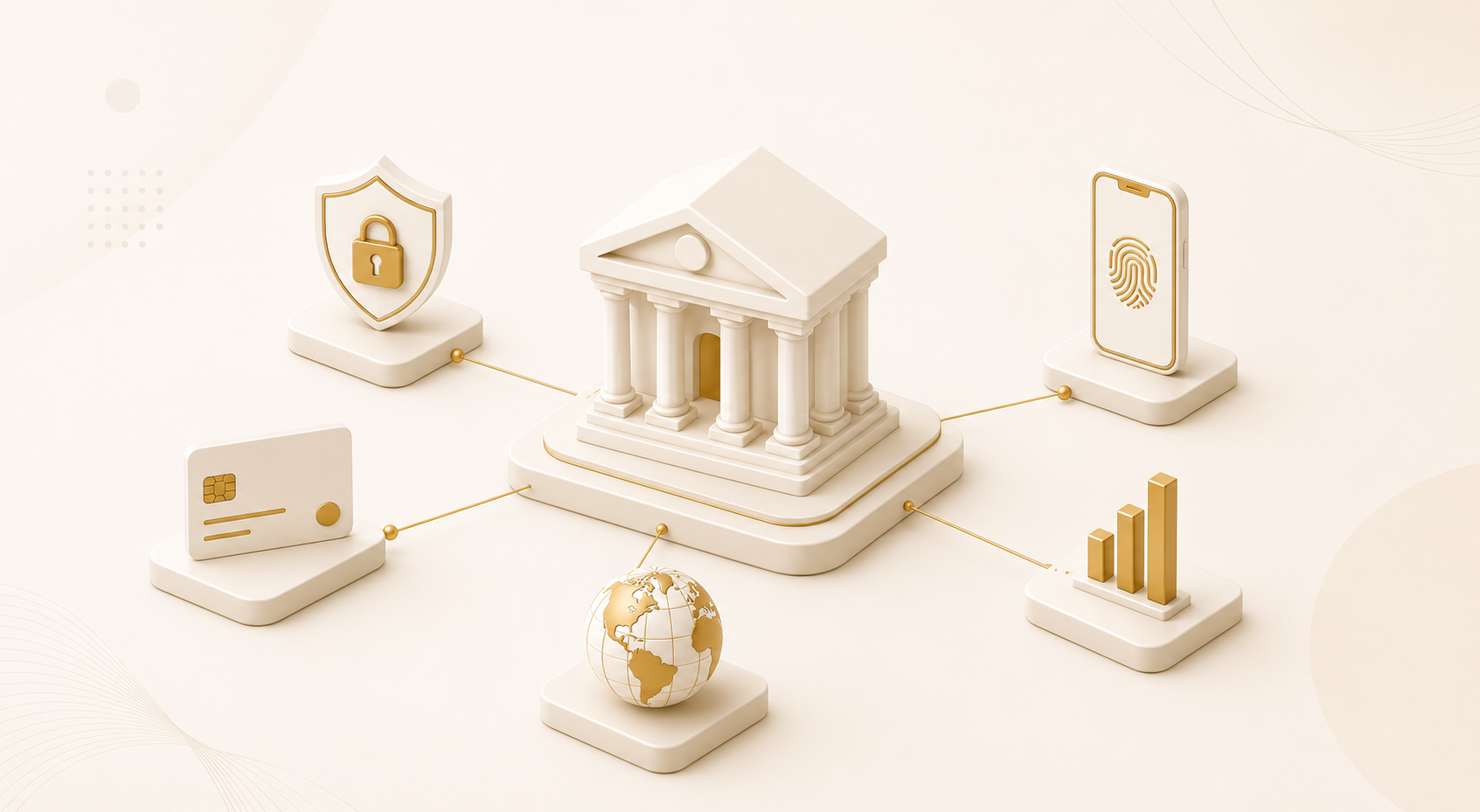
Every bank, fintech, and enterprise moving money today relies on more moving parts than most people realize. A single transaction might touch a payment gateway, a switch, a compliance engine, a reconciliation tool, and a reporting dashboard often from four or five different vendors. This patchwork approach works, until it doesn't. That's where the idea of a true payment infrastructure platform comes in.
The Problem With Fragmented Payment Systems
Most financial institutions didn't set out to build a fragmented stack. It happened gradually, a gateway added here, a compliance tool bolted on there, a separate reconciliation system brought in to fix a specific pain point. Over time, these disconnected systems create real operational drag:
- Slower go-to-market timelines, because every new product or corridor requires fresh integration work.
- Higher operational risk, since data doesn't flow cleanly between systems, increasing the chance of reconciliation errors.
- Limited visibility, with finance and compliance teams piecing together reports from multiple dashboards instead of one source of truth.
- Rising vendor overhead, as each additional tool adds its own contract, support relationship, and maintenance burden.
For banks and fintechs operating at scale, these aren't minor inconveniences; they directly affect speed, cost, and customer trust.
What a Payment Infrastructure Platform Actually Does
A payment infrastructure platform is fundamentally different from a single-purpose tool like a payment gateway or a switch. Instead of solving one piece of the money-movement puzzle, it unifies the entire journey from initiating a transaction, to routing it through the right rails (like IMPS or UPI), to monitoring for fraud, to reconciling it against ledgers, all within one connected system.
This shift matters because payments don't happen in isolation. A transaction that starts as a UPI collection might need to be reconciled against an invoice, flagged for compliance review, and reported in real time to a finance team all before the funds settle. When these steps live on separate platforms, the connections between them become fragile. When they live on one infrastructure layer, they become reliable and auditable by design.
Why This Matters More in 2026
Regulatory expectations around transaction monitoring, KYC, and AML have only grown stricter, and customers now expect near-instant payment experiences regardless of the complexity happening behind the scenes. Institutions running fragmented systems are finding it increasingly difficult to meet both demands at once with strong compliance and fast, seamless payments without either slowing down or taking on more risk.
This is pushing more banks, fintechs, and enterprises to reconsider their entire payment stack, rather than continuing to patch individual gaps. Consolidating onto a unified payment infrastructure platform isn't just a technology decision anymore it's becoming a competitive necessity.
The Bigger Picture
As digital payments continue to scale in volume and complexity, the institutions that win won't necessarily be the ones with the most tools, they'll be the ones with the most connected systems. A modern payment infrastructure platform gives banks, fintechs, and enterprises a foundation that can grow with them: one that supports new corridors, new compliance requirements, and new payment rails without requiring a rebuild every time.
The question worth asking isn't whether your current setup works today. It's whether it can keep up with tomorrow.







Need Additional Help?
We're Here to Support You
Can't find what you're looking for? Our team is available to assist with engagement setup, advisory scoping, banking and payments infrastructure queries, compliance matters, and general technical support.